
Jabalpur is not just a geographical location—it is a living, evolving cultural landscape shaped by its people. Known as Sanskardhani, the city reflects a rare balance of heritage, diversity, and steady urban growth. From the ghats of the Narmada to expanding residential colonies, the population of Jabalpur tells a compelling story of transformation.
In this comprehensive guide, we decode Jabalpur demographics using official Census insights and projected trends, helping you understand the real picture behind Jabalpur population 2026.
Historical Population Trends & Growth Story
Jabalpur’s population story begins long before modern census data.
Ancient & Medieval Roots
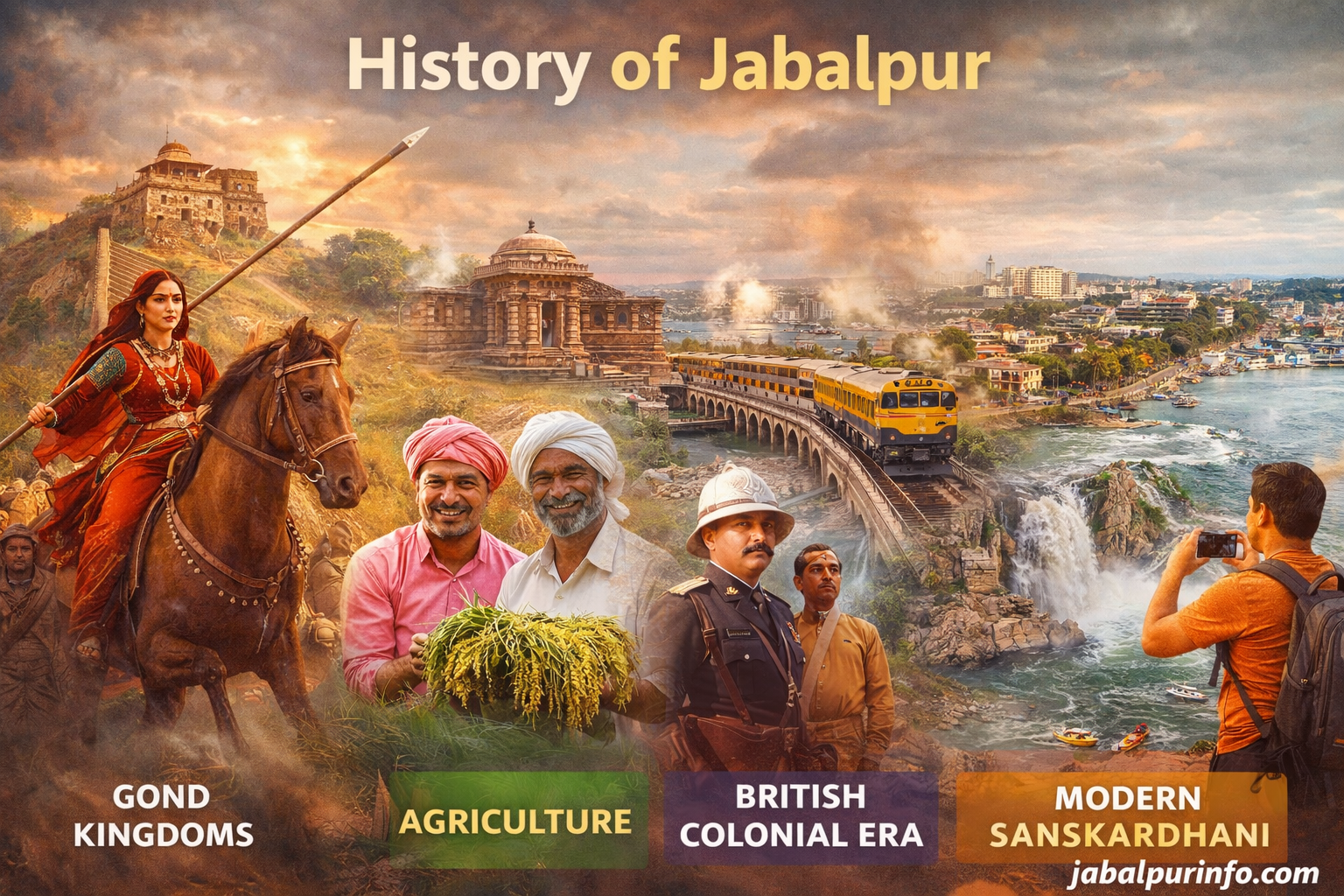
The region was once dominated by Gond tribal communities, forming the foundation of today’s tribal population Jabalpur. Under Rani Durgavati, the area saw organized settlements and cultural consolidation.
Colonial Expansion
British rule transformed Jabalpur into a military and administrative hub. Railways, cantonments, and trade routes led to early urban clustering—marking the beginning of structured urban population Jabalpur growth.
Post-Independence Boom
After 1947, industrial and institutional development accelerated population growth:
- Defense establishments (ordnance factories)
- High Court and administrative offices
- Educational institutions attracting regional migration
This period firmly positioned Jabalpur as a key urban center in central India.
Jabalpur Census Data 2011: The Foundation
To understand current trends, the Jabalpur census data from 2011 remains the most reliable benchmark.
Key Census Highlights (2011)
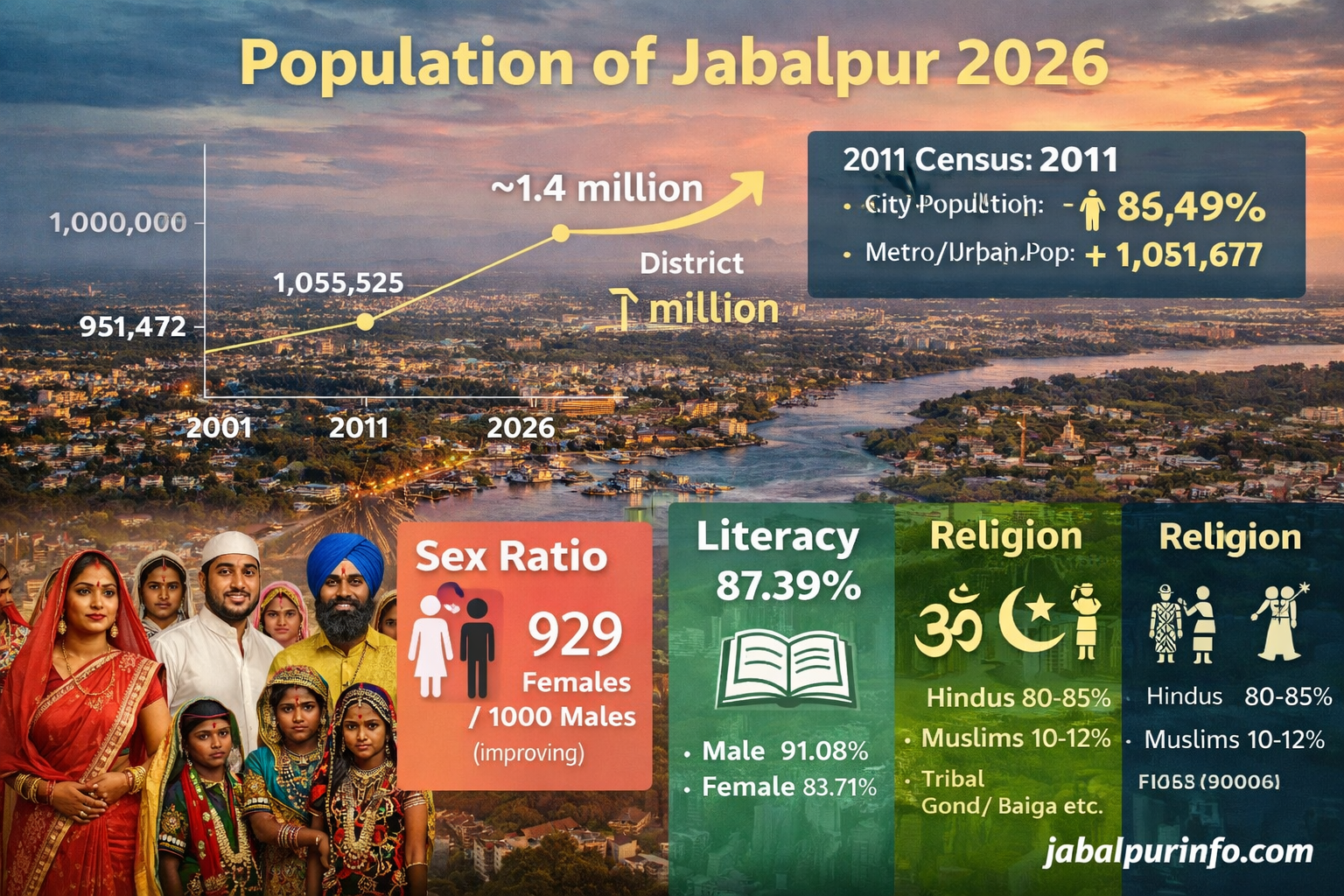
- City Population: 1,055,525
- Metro/Urban Population: 1,081,677
- District Population: 2,463,289
- Literacy Rate: 87.39%
- Sex Ratio: 929 females per 1000 males
An important milestone:
- The city population grew from 951,472 in 2001 to over 1 million in 2011, marking Jabalpur’s transition into a major urban center.
These figures highlight not just growth, but improving education and gradual demographic balance.
Current Population Statistics 2026
Building on 2011 data, the Jabalpur population 2026 reflects steady and sustainable expansion.
(Figures are based on projections; actual numbers may vary—verify with official sources.)
Estimated Population Overview
- Jabalpur District Population (2026): ~2.9 to 3.1 million
- Jabalpur City Population (2026): ~1.4 to 1.6 million
- Urban Population Share: ~60–65%
Compared to 2011, this indicates moderate population growth Jabalpur, driven largely by migration and natural increase.
Population Density Insights
- High-density zones: Sadar, Wright Town, Napier Town
- Expanding suburban areas: Vijay Nagar, Adhartal
- Low-density rural belts: Tribal and forest regions
Jabalpur’s density remains manageable, offering a balance between urban convenience and livability.
Key Demographic Indicators
Literacy Rate in Jabalpur
Education is one of Jabalpur’s strongest demographic advantages.
- 2011 Literacy Rate: 87.39%
- 2026 Estimated Literacy Rate: ~82–85% (district-wide average)
- Male Literacy: ~88–90%
- Female Literacy: ~75–80%
The slight variation in projected averages reflects inclusion of rural areas, where literacy is still improving.
Sex Ratio Jabalpur
- 2011 Sex Ratio: 929 females per 1000 males
- 2026 Estimate: ~930–950 females per 1000 males
This gradual improvement signals better awareness and healthcare access.
Age Structure
- Youth (0–24 years): ~40%
- Working population (25–59 years): ~50%
- Senior citizens (60+): ~10%
This balanced distribution supports both economic growth and cultural continuity.
Religious Composition & Cultural Harmony
The religion in Jabalpur reflects unity in diversity.
Major Religious Groups
- Hindus: ~80–85%
- Muslims: ~10–12%
- Jains, Christians, Sikhs: Smaller yet influential communities
- Tribal faiths: Practiced among Gond and Baiga groups
What stands out is coexistence—festivals overlap, neighborhoods celebrate together, and cultural exchange is part of daily life.
Languages, Ethnic Groups & Tribal Heritage
Languages Spoken in Jabalpur
- Hindi (primary language)
- Bundeli and Bagheli dialects
- Urdu and Marathi in specific communities
- English in education and administration
This linguistic diversity enriches communication and identity.
Scheduled Tribes Jabalpur
The scheduled tribes Jabalpur population plays a crucial role in shaping local culture.
- ~15–20% of district population
- Major tribes: Gond, Baiga, Kol
Their contributions include:
- Folk festivals and rituals
- Traditional crafts and storytelling
- Deep connection to forests and ecology
This tribal presence distinguishes Jabalpur from many urban centers.
Urbanization, Migration & Socio-Economic Insights
Urban vs Rural Divide
- Urban areas: Better infrastructure, healthcare, education
- Rural areas: Agriculture and forest-based livelihoods
The gap is narrowing as connectivity improves.
Migration Trends
Jabalpur attracts migrants from:
- Mandla
- Dindori
- Seoni
- Smaller nearby towns
Reasons include:
- Education opportunities
- Government and defense jobs
- Healthcare access
Economic Drivers
- Defense sector (ordnance factories)
- Trade and retail markets
- Education and services
Unlike industrial-heavy cities, Jabalpur’s economy is diversified and stable.
Future Projections, Challenges & Opportunities
Looking ahead, the population of Jabalpur is expected to grow steadily without extreme urban pressure.
Growth Outlook
- Expansion of residential zones
- Increasing youth workforce
- Rising urban aspirations
Key Challenges
- Infrastructure upgrades needed
- Traffic and public transport improvements
- Balancing development with environmental preservation
Opportunities
- Smart city initiatives
- Tourism and cultural promotion
- Education and healthcare expansion
Jabalpur has the potential to become a model mid-sized Indian city—modern yet rooted.
Conclusion: The Human Pulse of Sanskardhani
The story of Jabalpur demographics is ultimately a story of people—diverse, resilient, and deeply connected to their roots. From its tribal heritage to its growing urban identity, the city reflects a harmonious blend of past and future.
The steady rise from just under 1 million in 2001 to a thriving urban population today shows how far Jabalpur has come. Yet, what remains unchanged is its soul—the cultural heartbeat that makes Sanskardhani truly special.
As you explore the Jabalpur population 2026, you’re not just looking at numbers—you’re discovering a city shaped by generations of stories, traditions, and aspirations.
FAQs
1. What was the population of Jabalpur in 2011?
The city population was 1,055,525, and the metro population was 1,081,677.
2. What is the estimated population of Jabalpur in 2026?
It is projected to be around 1.4–1.6 million for the city and up to 3.1 million for the district.
3. What is the literacy rate in Jabalpur?
It was 87.39% in 2011 and remains among the highest in the region.
4. What is the sex ratio in Jabalpur?
929 females per 1000 males in 2011, with gradual improvement expected.
5. What percentage of Jabalpur’s population is tribal?
Approximately 15–20%, mainly Gond and Baiga communities.
Leave a Reply