
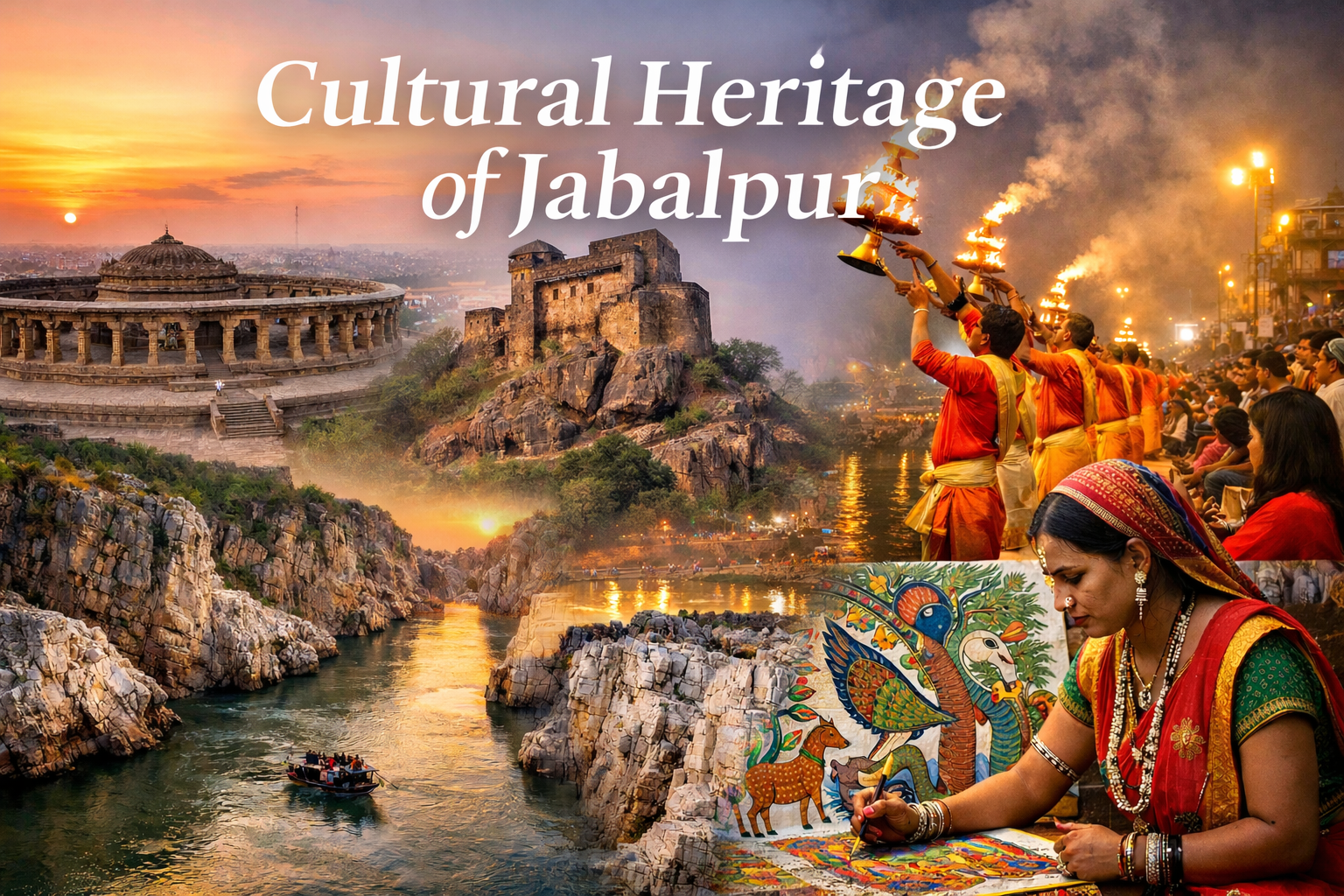
Introduction: Where Culture Breathes Through Every Stone
The cultural heritage of Jabalpur is not just preserved in monuments—it lives in everyday rituals, flowing rivers, and the rhythm of its people. Known as Sanskardhani Jabalpur, meaning “the cultural capital,” this city in Madhya Pradesh holds layers of history that quietly unfold with every step you take. From ancient dynasties to tribal traditions, from sacred ghats to vibrant festivals, Jabalpur cultural heritage offers a rare blend of continuity and change.
But what truly makes Jabalpur special isn’t just its famous landmarks—it’s the lesser-known stories, whispered legends, and living traditions that still shape its identity today.
Ancient Roots & Historical Evolution
Echoes of the Kalachuri Dynasty
The roots of Jabalpur history stretch deep into the era of the Kalachuri dynasty Jabalpur, who ruled between the 10th and 13th centuries. They transformed the region into a flourishing center of art, temple architecture, and Shaivism. Hidden carvings found near riverbanks suggest that artisans experimented with early forms of temple geometry that later influenced central Indian architecture.
Gond Glory and the Legacy of Rani Durgavati
The city’s soul is inseparable from Gond culture Jabalpur. The Gond rulers, especially Rani Durgavati, left an indelible mark. Local folklore says she would ride across forest trails at dawn, inspecting her kingdom disguised as a commoner—an early symbol of people-centric governance.
Her resistance against Mughal expansion remains one of the most powerful chapters in regional history, still remembered in folk songs sung during village gatherings.
Colonial Imprints and Cultural Shifts
During British rule, Jabalpur became an administrative and military hub. Yet, instead of erasing local traditions, this period introduced unique cultural fusions—Victorian-style buildings standing beside temples, and new educational institutions that later became centers of cultural revival.
Iconic Heritage Sites & Monuments
1. Chausath Yogini Temple: Geometry Meets Spirituality
Perched on a hilltop, the Chausath Yogini Temple is one of the oldest heritage structures in the region. Built in the 10th century, its circular design is believed to represent cosmic energy cycles. Unlike most temples, its open-air sanctum invites sunlight as a divine presence.
A lesser-known fact: historians believe this temple may have influenced the design of the Indian Parliament building due to its circular architecture.
2. Madan Mahal Fort: A Sentinel of Time
The rugged beauty of Madan Mahal Fort tells stories of strategic brilliance. Built by the Gond rulers, it wasn’t just a fort but also a watchtower and military base. Locals often speak of secret underground passages—some say they connected to distant forest outposts.
3. Rani Durgavati Museum: Keeper of Cultural Memory
The Rani Durgavati Museum houses rare sculptures, inscriptions, and tribal artifacts. Among its hidden treasures are terracotta figures that depict everyday Gond life—farming, dancing, storytelling—capturing culture beyond royalty.
4. Pisanhari Ki Madiya: A Story of Devotion
This serene Jain site, often listed among Jain temples Jabalpur, carries a touching legend. It is said that a poor woman who earned her livelihood by grinding grain (pisanhari) saved money over years to build this temple—an enduring symbol of faith and perseverance.
Sacred Narmada & Living Traditions
The River That Shapes Identity
The Narmada River culture is the lifeline of Jabalpur. Unlike many rivers worshipped symbolically, Narmada is treated as a living goddess. Locals believe even a glimpse of the river grants spiritual merit.
Ghats, Aarti, and Timeless Rituals
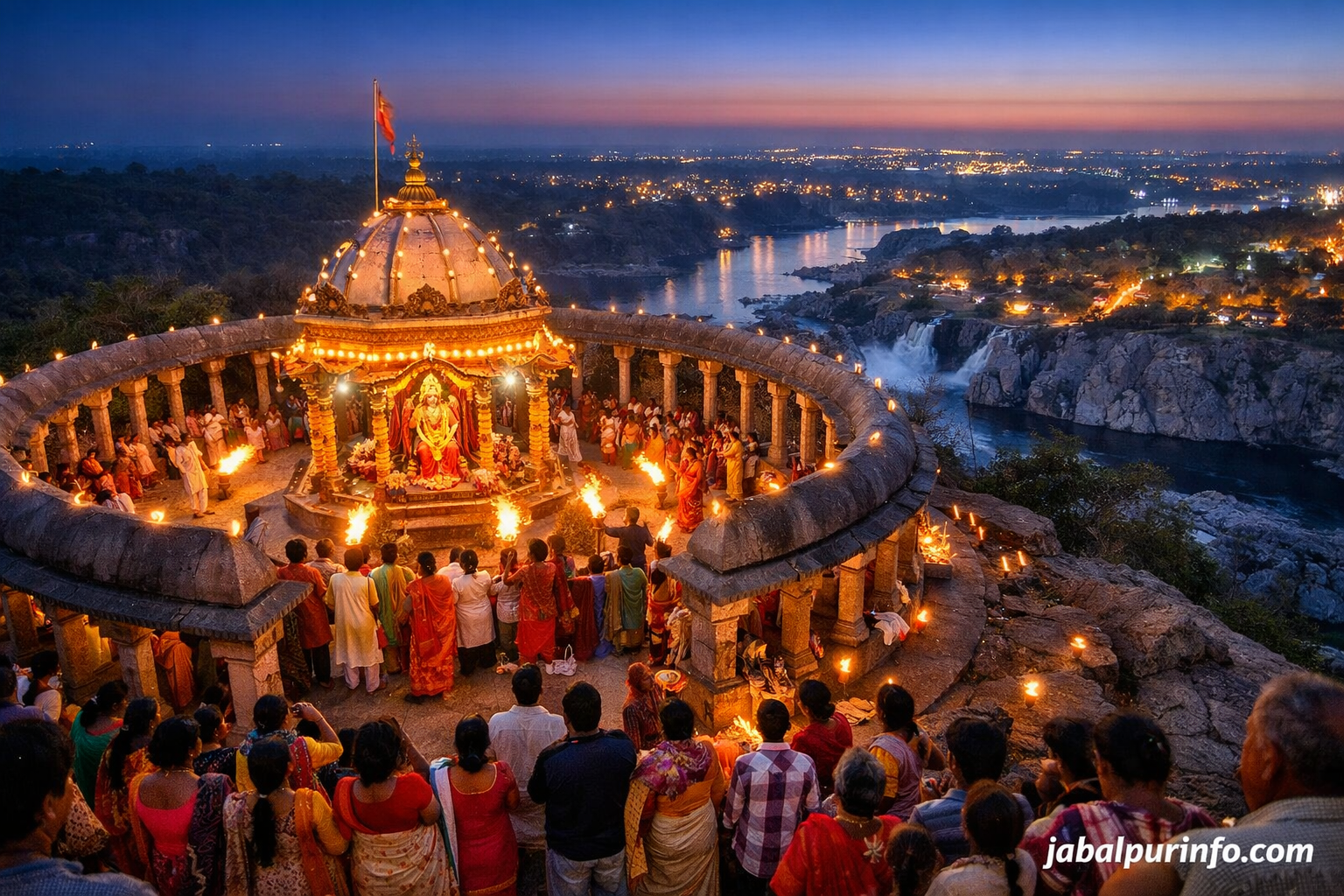
Every evening, the ghats come alive with lamps, chants, and the mesmerizing Narmada aarti. The rituals here are deeply personal—families pass them down through generations without written scripts.
Bhedaghat Heritage: Marble, Myth, and Magic
The stunning Bhedaghat heritage is where nature and culture merge. The Marble Rocks, glowing under moonlight, are not just geological wonders—they are woven into local myths. Boatmen narrate stories of gods, demons, and ancient sages as they row through the gorge.
Tribal Heritage & Folk Arts
The Living Canvas of Gond Art
The tribal art of Jabalpur, especially Gond painting, is more than decoration—it’s storytelling. Each pattern represents elements of nature, from trees to animals, often symbolizing harmony between humans and the environment.
Traditional Folk Expressions
Some vibrant cultural expressions include:
- Karma Dance: Celebrating nature and harvest cycles
- Bhil Art Forms: Known for bold colors and symbolic motifs
- Durry Weaving: Handwoven textiles reflecting geometric traditions
Interestingly, many of these crafts are now being revived through local cooperatives, ensuring younger generations stay connected to their roots.
Vibrant Festivals & Cultural Calendar of Sanskardhani
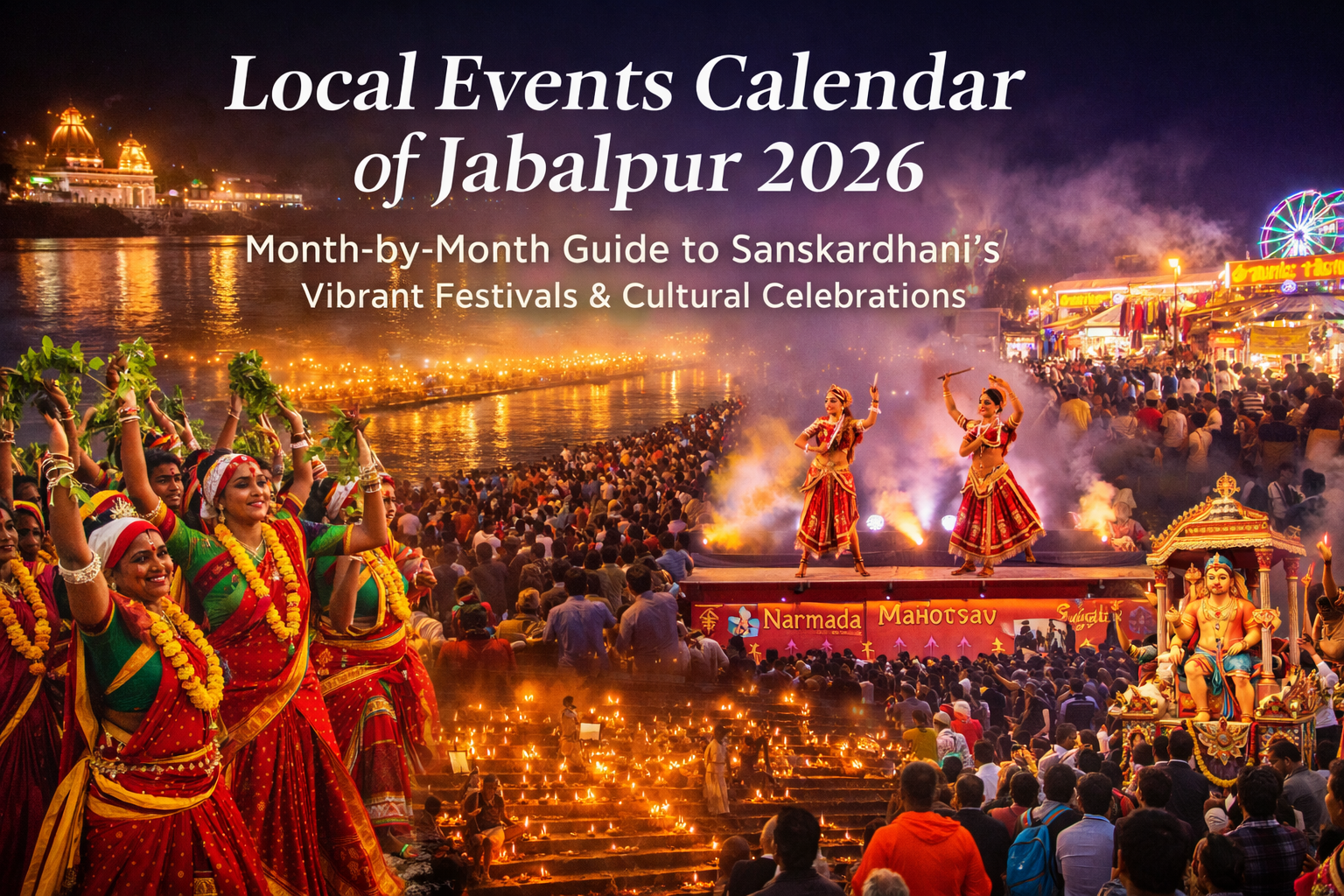
The spirit of festivals in Jabalpur reflects its diverse cultural identity.
Major Celebrations
- Narmada Jayanti: A grand celebration dedicated to the river goddess
- Navratri: Featuring traditional Garba with local variations
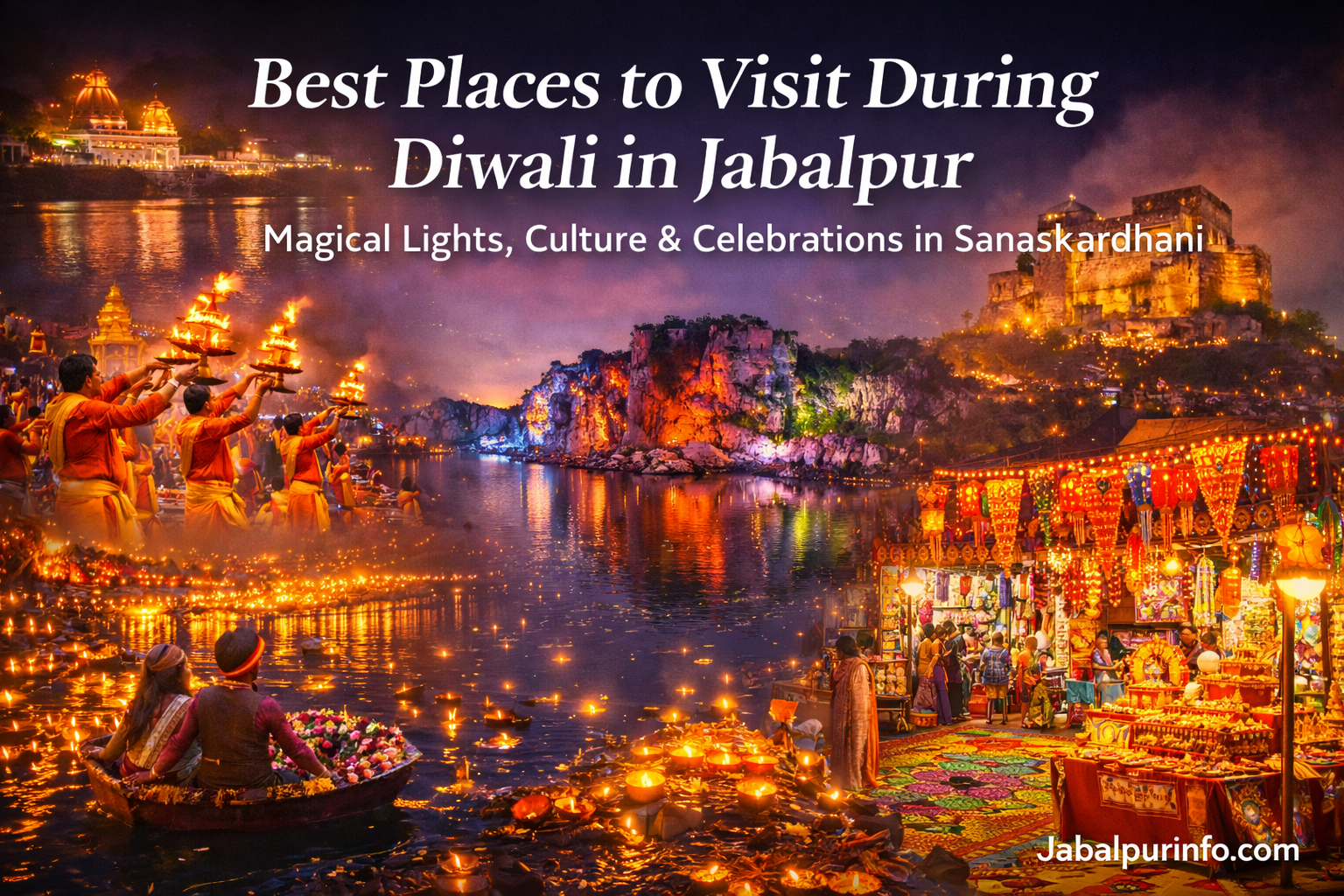
- Diwali & Holi: Celebrated with unique regional customs
- Makar Sankranti: Marked by river rituals and kite flying
Lesser-Known Cultural Events
- Tribal fairs showcasing tribal art Jabalpur
- Local theatre performances inspired by Gond legends
- Music gatherings that blend classical and folk traditions
These festivals are not just events—they are living expressions of the city’s cultural continuity.
Culinary & Intangible Heritage
Food in Jabalpur tells its own cultural story.
Must-Try Local Flavors
- Khoye ki Jalebi: Rich and indulgent, often linked to festive occasions
- Bhutte ka Kees: A Malwa specialty adapted into local cuisine
- Tribal Millet Dishes: Nutritious and rooted in ancient traditions
Street food culture thrives here, but what makes it unique is how recipes are preserved within families, often without written measurements—just instinct and tradition.
Modern Efforts in Preservation & Why Jabalpur Still Matters Today
In recent years, there has been a renewed focus on preserving the Jabalpur cultural heritage. Heritage walks, digital archives, and restoration projects are bringing attention to lesser-known sites.
Local artists are gaining recognition globally, especially in tribal art circles. Educational institutions are also integrating regional history into their curricula, ensuring that younger generations understand their roots.
Yet, what truly keeps Jabalpur alive is its people—their rituals, stories, and everyday practices that continue to honor the past while embracing the future.
Conclusion: A Living Heritage Waiting to Be Experienced
The cultural heritage of Jabalpur is not confined to museums or monuments—it flows through its rivers, echoes in its festivals, and lives in its people. It’s a city where history isn’t just remembered; it is lived.
So, the next time you think of exploring India’s cultural heartlands, ask yourself—are you ready to experience a place where every corner tells a story?
Jabalpur is not just a destination. It’s a journey into living heritage.
FAQs
1. Why is Jabalpur called Sanskardhani?
Because of its rich cultural traditions, artistic heritage, and historical significance, Jabalpur is known as the cultural capital of Madhya Pradesh.
2. What is unique about the Chausath Yogini Temple?
Its circular architecture and open-air design make it one of the oldest and most unique temples in India.
3. What are the must-visit heritage sites in Jabalpur?
Key sites include Madan Mahal Fort, Rani Durgavati Museum, Chausath Yogini Temple, and Bhedaghat.
4. What role does the Narmada River play in Jabalpur culture?
It is central to spiritual life, rituals, festivals, and local identity.


Leave a Reply